
Gynaecology and Obstetrics.
in Vélez-Málaga
Comprehensive women’s healthcare, gynaecology and obstetrics.
Dr. Belvián Giustiniano and Dr Paula Guerrero, specialists in Gynaecology and Obstetrics, together with gynaecologist Dr Carmen Granados, lead our Women’s Health Unit.
Our aim is to provide comprehensive care by bringing together gynaecology, fertility nutrition and pelvic floor physiotherapy in one multidisciplinary service.
The Viten Gynaecology Unit combines medical expertise with a comprehensive, personalised approach tailored to each patient.
Our goal is to provide every woman with the care, information and support she needs to improve her gynaecological health and enjoy a full and healthy life.
For further information or to arrange a consultation, please contact our clinic. We are here to help you look after your health and wellbeing.



What does a preconception consultation involve?

A preconception consultation is an important part of planning a pregnancy. It helps establish the best possible foundations for a healthy and safe pregnancy.
Comprehensive health assessment
We carry out a thorough assessment that includes the patient’s personal and family medical history. This allows us to identify any health conditions or genetic factors that could affect the pregnancy.
Complete gynaecological examination
A detailed gynaecological examination may be performed, including cervical screening when appropriate, to rule out any conditions that should be treated before pregnancy.
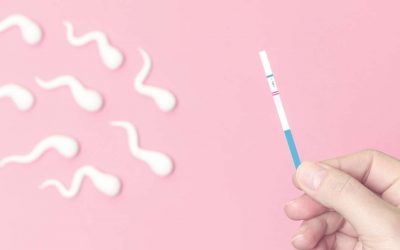
Pregnancy tests and initial appointments
We explain when and how to take a pregnancy test correctly. Once pregnancy has been confirmed, we provide guidance on the next steps, including arranging the first antenatal appointment.
This initial visit is essential for planning the appropriate monitoring and care throughout pregnancy.
Laboratory tests
In certain cases, blood tests may be requested to assess iron levels, thyroid function and other important health indicators.
Personalised advice
During the consultation, we provide personalised recommendations on healthy lifestyle habits, including:
- Nutrition: Guidance on following a balanced diet rich in the nutrients needed to prepare the body for pregnancy.
- Physical activity: Advice on safe and beneficial exercise adapted to the patient’s circumstances and each stage of pregnancy.
- Supplements: Recommendations regarding essential supplements such as folic acid and iodine, ideally started at least one month before conception.
We also review any long-term medication, such as lipid-lowering treatments, thyroid hormone replacement or insulin therapy. Any necessary adjustments are always made under medical supervision, prioritising the safety of both the mother and the future baby.
Preparing for a healthy pregnancy

Preconception consultation and risk assessment
During this consultation, our Gynaecology Unit assesses factors that could increase the likelihood of a high-risk pregnancy:
- Family history: Genetic conditions, chromosomal abnormalities and a family history of congenital malformations.
- Personal health factors: Conditions such as diabetes, obesity, high blood pressure or infectious diseases.
- Age: Risks associated with pregnancy under the age of 16 or over the age of 35.
- Psychosocial and health factors: Smoking, alcohol or drug use and incomplete vaccination.
- Previous obstetric complications: A history of caesarean sections, miscarriages, premature births, intrauterine foetal death or children born with genetic conditions or congenital malformations.
Identifying these factors before pregnancy allows us to provide personalised recommendations and plan appropriate medical monitoring from the outset.
Family planning and contraception
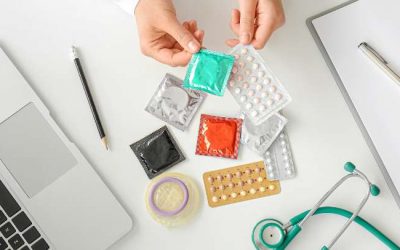
At our clinic, we understand that choosing a contraceptive method is a personal decision. Our gynaecologists will help you find the option that best suits your health, needs, lifestyle and future plans.

Available contraceptive methods
Combined hormonal contraceptives
- Oral contraceptive pill: A tablet taken daily, usually for 21 to 24 days per cycle.
- Vaginal ring: A flexible ring that continuously releases hormones for three weeks.
- Transdermal patch: A weekly hormonal patch applied to the skin.
These methods mainly work by preventing ovulation. The most appropriate option must be selected after considering the patient’s medical history and individual circumstances.
Intrauterine contraception
- Copper intrauterine device (IUD): A hormone-free method that interferes with sperm movement and fertilisation.
- Hormonal intrauterine system (IUS), such as Mirena®:Releases a small amount of progestogen directly into the uterus.
Both options provide highly effective, long-acting and reversible contraception. Your gynaecologist will assess whether either method is suitable for you.
Permanent contraceptive methods:
- Tubal ligation: A surgical procedure that blocks or seals the fallopian tubes.
- Vasectomy: A surgical contraceptive procedure for men.
Every method has its own characteristics, benefits, contraindications and considerations. Our commitment is to provide you with the information and support you need to make an informed decision about your health and wellbeing.

Cervical screening and HPV testing
Cervical cancer is one of the cancers for which effective screening and early detection methods are available.
Human papillomavirus, or HPV, is the main cause of cervical cancer. It is a very common sexually transmitted infection, and most sexually active people will come into contact with the virus at some point in their lives.
A positive HPV result does not mean that cancer is present. It allows us to provide closer monitoring, detect any cellular changes at an early stage and arrange treatment when necessary.
Assessment and treatment of menstrual disorders
Menstrual disorders can involve changes in the duration, frequency or amount of menstrual bleeding, as well as period pain, medically known as dysmenorrhoea.
These problems may include:
- Irregular menstrual cycles
- Heavy or prolonged bleeding
- Very light periods
- Severe menstrual pain
- Bleeding between periods
Dysmenorrhoea may be primary or secondary. Secondary period pain can sometimes be associated with conditions such as endometriosis.
We understand that menstrual disorders can significantly affect everyday life, particularly among teenagers, young women and adults.

An accurate diagnosis and appropriate treatment can relieve symptoms, improve wellbeing and significantly enhance quality of life.
If you experience persistent changes in your menstrual cycle, very heavy bleeding or severe pain, we encourage you to consult our Gynaecology Unit.
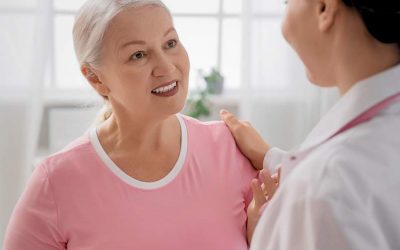
Menopause: understanding and managing this stage of life
Menopause is a natural stage that usually occurs between the ages of 45 and 55. It involves significant physical and emotional changes caused mainly by reduced oestrogen levels and the natural ageing process.

Common changes during menopause:
- Skin and vaginal changes: Dry skin, vaginal dryness, reduced lubrication and changes in sexual desire.
- Bone health: Progressive loss of bone density and an increased risk of osteoporosis, which can be assessed using a bone density scan.
- Urinary symptoms: Increased urinary frequency, urgency or urinary incontinence.
- Psychological and emotional changes: Anxiety, low mood, sleep disturbances and mood swings.
- Vasomotor symptoms: Hot flushes and night sweats.
Treatment options:
- Menopausal hormone therapy: Oestrogen alone or combined with a progestogen, depending on the patient’s circumstances. Suitability must always be assessed individually.
- Non-hormonal medication: Certain treatments may help manage hot flushes, low mood or other symptoms.
- Lifestyle measures: Regular physical activity, a balanced diet, stress management, limiting stimulants and practising relaxation techniques.
- Pelvic floor physiotherapy: May help improve urinary symptoms, pelvic floor function and sexual wellbeing.
Medical supervision is essential when selecting the safest and most appropriate treatment for each woman.
Frequently asked questions about gynaecology
What is cervical screening?
It should be performed according to the screening schedule recommended for your age, medical history and previous results.
What should I do if I experience period pain?
Medical treatment and lifestyle changes can significantly improve quality of life and help rule out conditions such as endometriosis.
Which contraceptive method should I use?
The most suitable contraceptive method depends on your age, medical history, lifestyle, personal preferences and future pregnancy plans.
During your gynaecological consultation, we can explain the available options:
- Hormonal methods, including the pill, vaginal ring and patches
- Copper IUD or hormonal IUS
- Barrier methods
- Permanent methods, including tubal ligation and vasectomy
We will help you choose the safest and most convenient option for your circumstances.
Should I be vaccinated against HPV?
The human papillomavirus vaccine helps prevent infection from the HPV types responsible for most cases of cervical cancer and other HPV-related diseases.
Vaccination is ideally given during adolescence, before becoming sexually active, but it may also be recommended for adults. Your gynaecologist can assess your individual circumstances and advise you accordingly.
What should I do before trying to conceive?
During this appointment, we review your general health and family medical history, request any necessary tests and provide recommendations regarding nutrition, folic acid, vaccination, medication and healthy lifestyle habits.
What questions can I ask during pregnancy?
During our consultations, we answer your questions and provide close, personalised monitoring for your peace of mind and the wellbeing of your baby.
How can sexually transmitted infections be prevented?
The following measures help reduce the risk of sexually transmitted infections:
- Use condoms during sexual intercourse.
- Attend regular gynaecological check-ups.
- Receive the HPV vaccine when recommended.
- Avoid unprotected or high-risk sexual contact.
- Undergo testing when there may have been exposure.
If you experience symptoms or believe you may have been exposed to an infection, it is important to arrange the appropriate diagnostic tests and treatment.
Menopausia: Síntomas, tratamientos y consejos para una transición suave
La menopausia es una etapa natural en la vida de toda mujer, que marca el fin de la etapa reproductiva. En España, la edad media de llegada es alrededor de los 51 años, aunque puede aparecer entre los 45 y los 55 años (o incluso antes en casos de menopausia precoz)....
Consulta preconcepcional, ginecología en Vélez
Evaluación integral de la salud, consulta preconcepcional La consulta preconcepcional en Viten comienza con una evaluación integral de la salud, donde revisamos tu historial médico completo. Este paso es crucial para identificar cualquier condición preexistente que...
Planificación familiar y métodos anticonceptivos
Asesoramiento personalizado en métodos anticonceptivos La planificación familiar es un aspecto fundamental de la salud y bienestar. Ofrecemos asesoramiento personalizado en métodos anticonceptivos, seleccionando la mejor opción según tus circunstancias y deseos. Paula...
Gynaecology and Obstetrics Team
Dr Belvián Giustiniano, Dr Paula Guerrero and Dr Carmen Granados lead our unit, providing comprehensive women’s healthcare and working alongside our fertility nutrition and pelvic floor physiotherapy professionals.

Belvián Gustiniano
Specialist in Gynaecology and Obstetrics
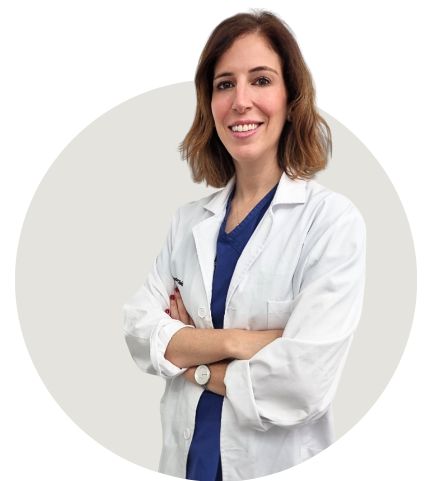
Paula Guerrero
Specialist in Gynaecology and Obstetrics
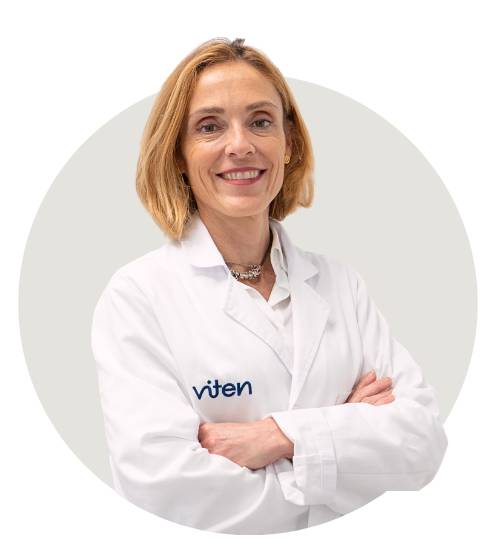
Carmen Granados
Specialist in Gynaecology
¿Quieres concretar una cita con un profesional?
Evaluación, diagnóstico y tratamiento